How an Indie Beauty Brand Went from Idea to Launch in 30 Minutes
Speed is the new strategy. We used a BagelSea website tool to build a fully-formed indie beauty brand identity from scratch in less time than it takes to apply a face mask.
July 20, 2026
Last Tuesday, a founder walked into my office with a frantic look and a bag of unlabelled aluminum tubes. She had a brilliant formulation for a mineral-based SPF that felt like silk, but she had zero brand identity. No name, no target audience, and no brand house. She wanted to launch on Shopify by the end of the month. In the old world of beauty branding, we would have spent $50,000 and six months on mood boards and focus groups before even picking a font. We didn't have six months. We had a lunch break and a BagelSea website.
This founder represents the typical struggle in the indie beauty brand world. She had a feeling, but no plan. Most founders confuse product with brand. They think that because their serum works, the brand exists. It doesn't. Glossier didn't win because of the Milky Jelly Cleanser; they won because Emily Weiss defined a brand promise of democratic beauty that looked like a cool girl's bathroom shelf. Our founder was stuck in the commodity trap, competing on SPF numbers rather than a story. She needed a brand architecture that could turn a chemical compound into a lifestyle.
We started with a brand diagnosis using the BagelSea tool. Instead of staring at a blank Google Doc, we fed the core product attributes into the system to stress-test the positioning. Usually, founders want to be everything to everyone. They want to be luxury like Aesop but affordable like The Ordinary. That is a recipe for bankruptcy. Within ten minutes, the BagelSea engine helped us narrow the category framing. We moved away from generic sun care and repositioned the brand as urban defense for high-altitude commuters. This shift changed everything from the tone of voice to the pricing strategy. By identifying a specific competitor map that excluded drugstore brands, we justified a 40% price premium.
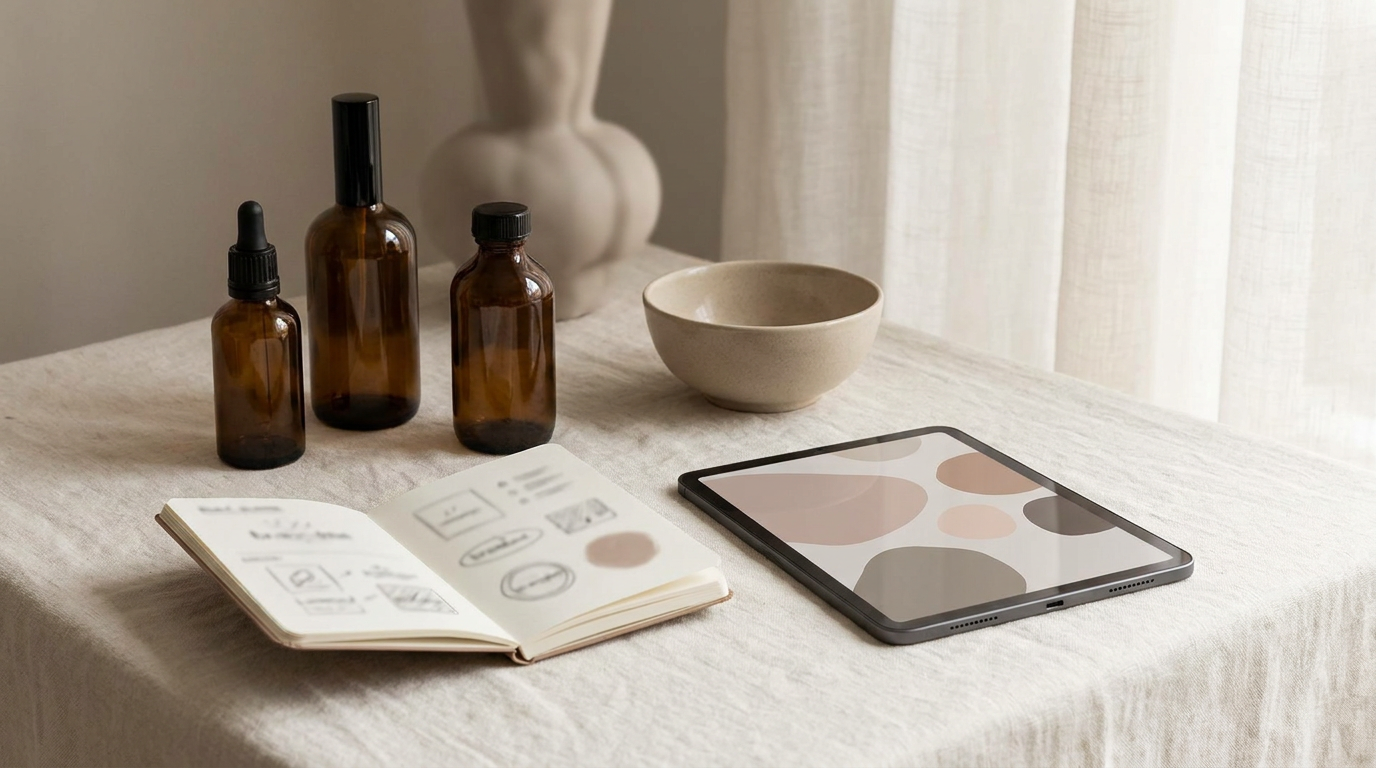
Once the positioning was locked, we moved to generating the brand book. This is where most indie beauty brand success story projects fall apart. A brand book usually takes weeks of back-and-forth with a creative director. With the BagelSea tool, we generated a full verbal identity and visual identity system in the time it took to finish a coffee. We defined the brand codes: a specific shade of cobalt blue inspired by 1970s architecture and a typography set that felt clinical yet approachable. The system provided a mission-vision-values statement that actually sounded human, avoiding the usual corporate fluff that plagues the industry. It gave the founder a brand promise: protection without compromise.
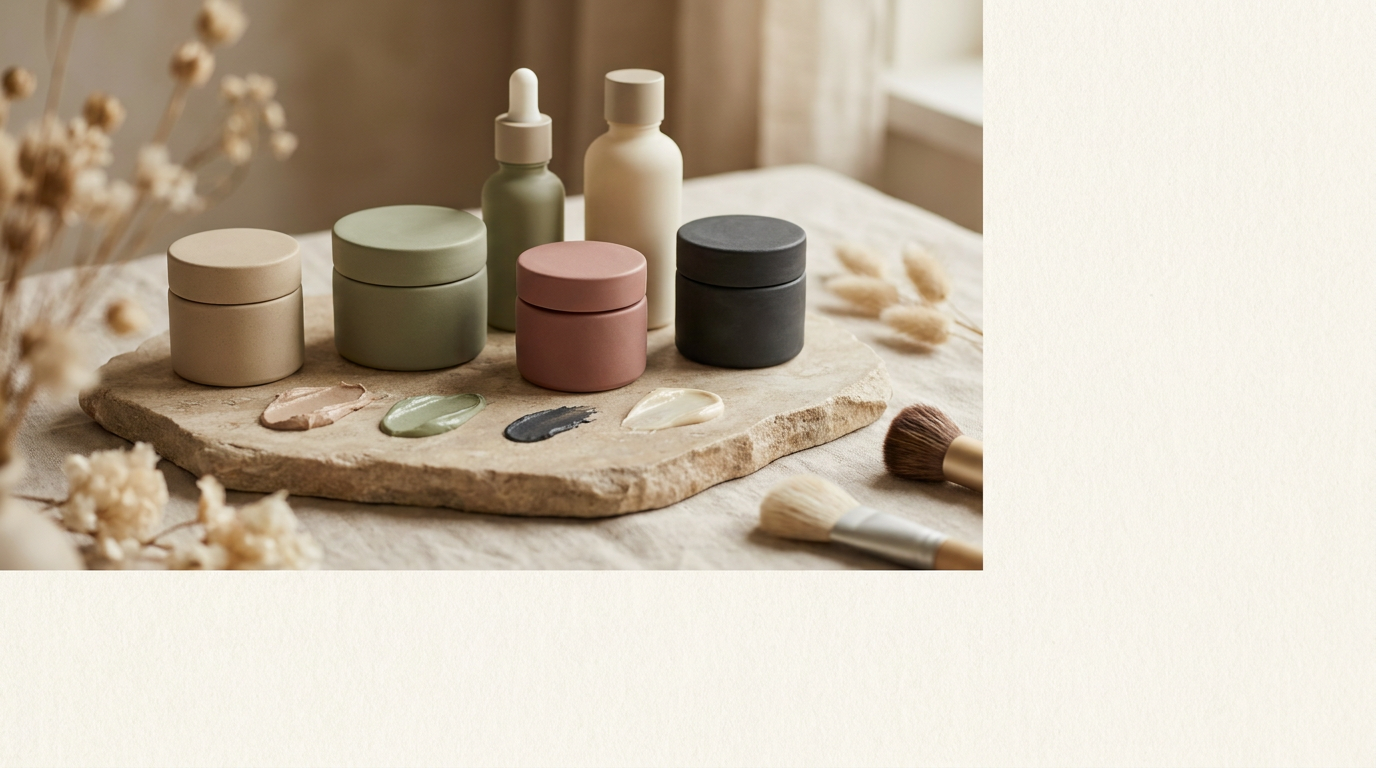
We didn't stop at words. To validate the brand, we needed to see it in the real world. We generated mockups for the primary and secondary packaging using the new visual assets. Seeing the cobalt blue labels on those aluminum tubes made the brand real. We then used the BagelSea website builder to spin up a landing page that reflected the new brand architecture. No more generic templates. The site looked like a high-end boutique, with copy that spoke directly to our newly defined target audience. We weren't just selling cream; we were selling a shield for the modern city dweller.
The result was a complete brand in 30 minutes. This wasn't just a gimmick. By the end of the half-hour, the founder had a brand pyramid that explained exactly why her product mattered, a brand story that resonated with her tribe, and a live BagelSea website ready to take pre-orders. She went from having a liquid in a tube to having a business with an identity. We bypassed the expensive agency churn and got straight to the market validation phase.
The lessons for other indie founders are clear. Stop overthinking the initial polish and start defining your brand codes early. Most beauty brands fail because they lack a clear category framing, not because their formulation is bad. Use tools like BagelSea to professionalize your brand house before you spend a single dollar on Instagram ads. Speed isn't about rushing; it's about removing the friction between your vision and your customer. If you have a product and a feeling, spend your next 30 minutes building the vessel that will carry it to the world.